Smileheart Font: A Beautiful Script for Creative Makers
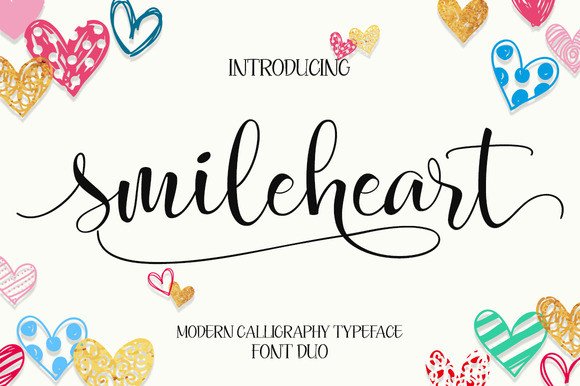
As a product maker who spends hours designing labels, cards, and shop materials, I know how much of a difference the right font can make. Recently, I discovered Smileheart, a modern handwritten font that feels like a warm hug on paper or screen. Its clean and beautiful letters bring just the right amount of charm without sacrificing readability — which is exactly what you need when your text needs to be both stylish and clear.
Smileheart for Wedding Invitations and Elegant Branding
I was working on a set of wedding invitation mockups when I first tried Smileheart. As someone who specializes in script handwritten fonts, I'm always on the lookout for something fresh but timeless. Smileheart stood out because it has a natural flow, with subtle variations in stroke weight and character shape that mimic real handwriting. It’s perfect for names, titles, and even short notes on save-the-dates, programs, and signage.
The beauty of Smileheart lies in its balance — it's not too ornate, not too casual. That makes it ideal for couples who want their invitations to feel personal yet polished. Whether I used it for the main wording or paired it with a simple sans serif for supporting details, the results were consistently elegant and inviting. The font gives a sense of warmth and sincerity that’s hard to achieve with standard typefaces.
Smileheart on Product Labels and Boutique Packaging
Another project I’ve been juggling is creating custom labels for my small candle business. When I switched from a generic script to Smileheart, the visual impact was immediate. The letters are easy to read, even at smaller sizes, which is crucial for product labels where space is tight and clarity matters.
I tested Smileheart on several label designs, adjusting the size and spacing for different jar shapes and sticker placements. What I loved most was how well it worked across various formats — from vinyl stickers applied by hand to printed tags for packaging. For boutique-style products, this font adds a handmade touch while maintaining professionalism. And as a commercial font, it means I don’t have to worry about licensing issues when selling physical items online or in person.
Design Tips for Using Smileheart on Small Stickers
- Stick to one or two lines of text to keep it legible.
- Use bold weights if available for better contrast against dark backgrounds.
- Avoid overly decorative ligatures or swashes for tiny sizes; simpler strokes work best.
- Test printouts before finalizing your design to ensure visibility and quality.
Smileheart in Greeting Cards and Seasonal Designs
When designing greeting cards, especially for holidays or special events, the font you choose sets the tone. Smileheart brings a gentle, approachable energy to each card. I recently used it for a batch of birthday and thank-you cards, and the feedback from friends and customers was overwhelmingly positive.
Its versatility shines during seasonal projects. For example, I created a set of farmhouse-style holiday tags using Smileheart paired with a minimalist sans serif. The combination felt cozy and classic — just right for adding a personal touch to gift wrap and packages. If you're into making digital printables, Smileheart also works wonders in layered PSD files or SVG-ready templates for Cricut and Silhouette users.
How to Make Your Digital Downloads Shine with Smileheart
If you sell digital templates or printable wall art, typography plays a huge role in how your designs are perceived. Smileheart helps elevate these assets by offering a premium look that still reads clearly in thumbnails and previews. Here’s what I did:
- Used Smileheart as the main title font in all downloadable mockups.
- Included alternate characters for variety and customization options.
- Paired it with a complementary serif font for body text in longer printables.
- Made sure the font file was compatible with all common platforms, including Adobe Illustrator and Photoshop.
Smileheart for T-Shirts, Mugs, and Merchandise
Merchandise design is all about catching attention quickly. I wanted to see how Smileheart would look on t-shirts, mugs, and tote bags — and I wasn’t disappointed. The font has enough personality to stand out but remains soft enough not to overwhelm the viewer.
On shirts, I kept the text short and impactful, using Smileheart for phrases like “Happy Home” or “Little Joys.” For mugs, I combined it with a more structured sans serif to create a balanced layout. In both cases, the font looked great in vector format, making it easy to cut and apply with heat presses or vinyl machines. Just remember: when using Smileheart for merchandise, always check the included weights and file types to ensure compatibility with your printing tools.
Font Pairing Ideas for Merch Design
- Smileheart + Poppins: Soft script with a clean, modern sans serif.
- Smileheart + Lora: Handwritten charm meets classic elegance.
- Smileheart + Montserrat: Great for a contemporary, playful vibe.
Smileheart in Planner Pages and Editorial Design
Planner pages are a unique challenge because they require both functionality and style. Smileheart fits perfectly in this niche. I used it for headers, motivational quotes, and section dividers in a bullet journal template I was working on. The font added a friendly, creative edge that made the pages feel more engaging and less rigid.
It’s also useful in editorial layouts for handmade journals or zines. When I needed a decorative heading for a chapter or feature, Smileheart provided a natural, flowing script that didn’t distract from the content. For those who love handwritten fonts, it’s refreshing to find one that works so well in both artistic and practical applications.
Readability vs. Style: Finding the Balance
One thing I appreciate about Smileheart is that it doesn’t force you to choose between style and readability. Many script fonts become illegible when scaled down, but Smileheart retains its charm even in smaller point sizes. This makes it suitable for everything from product tags to detailed packaging inserts.
For longer text, I recommend reserving Smileheart for display use rather than body copy. However, for short phrases, names, or brand elements, it’s a top choice. Always review the font’s alternates and ligatures to get the most out of its character set, especially when creating logos or signature elements for your brand identity.
Smileheart for Farmhouse Signs and Wall Art
Farmhouse decor is all about simplicity and authenticity, and Smileheart nails both. I designed a few wall signs with it, using phrases like “Welcome Home” and “Sweet Dreams,” and the results were stunning. The font gave the pieces a rustic yet refined feel, perfect for cozy interiors or rustic weddings.
When choosing colors and background textures for these signs, I found that Smileheart adapts beautifully. It looks great over woodgrain, linen patterns, and even solid pastel tones. If you're into logo design or branding for your own shop, Smileheart could be the key to creating a cohesive and memorable look.
Testing Smileheart on Mockup Previews
Before sending any design to print, I always test it in a mockup. With Smileheart, I noticed that it holds up exceptionally well in preview images for listings. The font’s consistent spacing and smooth curves make it look professional even in low-resolution thumbnails, which is essential for attracting clicks and sales.
I used Smileheart in layered PSDs for shirt and mug previews, and the font rendered cleanly in every layer. It’s important to include a few version variations (like bold or italic) in your design assets so buyers can imagine how it might look in different styles. Also, confirm the font supports the languages you’ll be using — multilingual support is a big plus when selling internationally.
Smileheart in Social Media Graphics and Web Design
Social media graphics and web banners are another area where Smileheart really shines. I’ve used it for Instagram posts promoting new products, and it helped create a more personal, artisanal feel compared to standard typefaces. It’s especially effective for call-to-action buttons, promotional headers, and taglines.
On websites, I limited Smileheart to headings and decorative accents, ensuring the rest of the site used a more readable base font. But for Etsy shops or branded landing pages, it can serve as a cornerstone of your brand identity. Just be sure to optimize your web font loading times and consider using web-safe fallbacks for maximum performance.
Why Choose Smileheart Over Other Script Fonts?
There are plenty of script handwritten fonts out there, but Smileheart stands apart for its usability. While some scripts lean too heavily into cursive flourishes, Smileheart keeps things grounded with its clean, intentional strokes. This makes it easier to integrate into commercial projects without compromising on aesthetics.
Whether you’re looking for a modern typography option or something that feels like a handwritten note, Smileheart offers the best of both worlds. It’s become a staple in my design toolkit for its adaptability and emotional appeal — something that resonates with customers and enhances the overall presentation of my products.
Smileheart and Brand Consistency for Creative Sellers
Consistency is key when building a recognizable brand. I’ve started using Smileheart across multiple shop materials — from packaging seals to social media bios — to maintain a unified look. It’s amazing how a single typeface can subtly tie together your entire brand experience.
Here’s how I’m using it for consistency:
- Product labels: Names and descriptions in Smileheart.
- Packaging inserts: Short, heartfelt messages in the same font.
- Shop headers: Logo and tagline styled with Smileheart.
- Digital templates: Preview text and sample phrases in the font.
This repetition builds familiarity and trust with customers, especially when the font reflects the personality of your handmade goods.
Final Steps Before Launching with Smileheart
Before incorporating Smileheart into your next product run or digital download, take a moment to verify a few details. Check the included styles and file formats to ensure you have what you need for your specific tools and platforms. Confirm whether the font includes uppercase and lowercase characters, numbers, and symbols relevant to your designs.
Also, make sure the license allows for commercial use — particularly if you're planning to sell Fonts-based products. Some fonts restrict usage based on platform or quantity, so it's always worth reading the fine print. Once you've got the green light, start experimenting with Smileheart in your favorite design software. You might just find it becomes your go-to font for everything from Script Handwritten labels to large-scale signage.
So, if you're a maker who values creativity and clarity, give Smileheart a try. It’s more than just a font — it’s a way to bring your handmade vision to life with style and ease.